How to Identify and Treat Common Tree Diseases
Trees are an important part of our environment and our community. They provide shade, beauty, and even help clean the air. However, like any living thing, trees can get sick. It’s crucial to be aware of the common tree diseases that may affect the trees in your yard to keep them healthy and strong.
Recognizing and treating tree diseases not only preserves the beauty of your property, but also ensures the safety of your home and family. Diseased trees can become weak and prone to falling, which can cause accidents or damage.
Understanding how to care for and protect your trees from common diseases involves recognizing the signs early and applying effective treatments. This way, we can maintain the health and beauty of the trees that are so valuable to our homes and communities.
Recognizing Symptoms of Common Tree Diseases
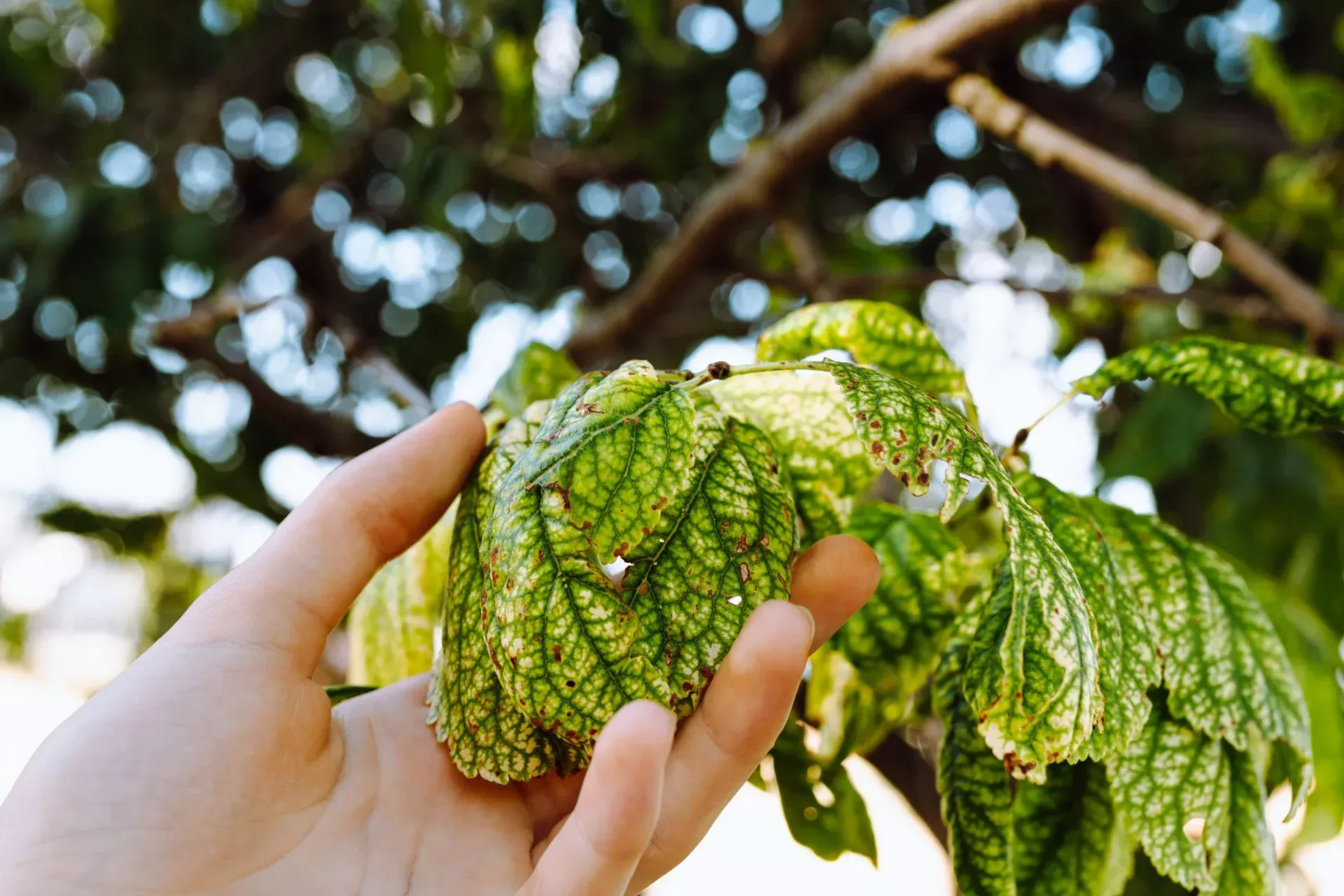
Trees in your yard can suffer from various diseases that can go unnoticed if you don’t know what to look for. Recognizing the symptoms early can prevent severe damage and even save the tree. Common signs of tree diseases include dead branches, discolored leaves, or unusual growths on the bark. Pay attention to leaves turning yellow or brown out of season, which often indicates an underlying issue.
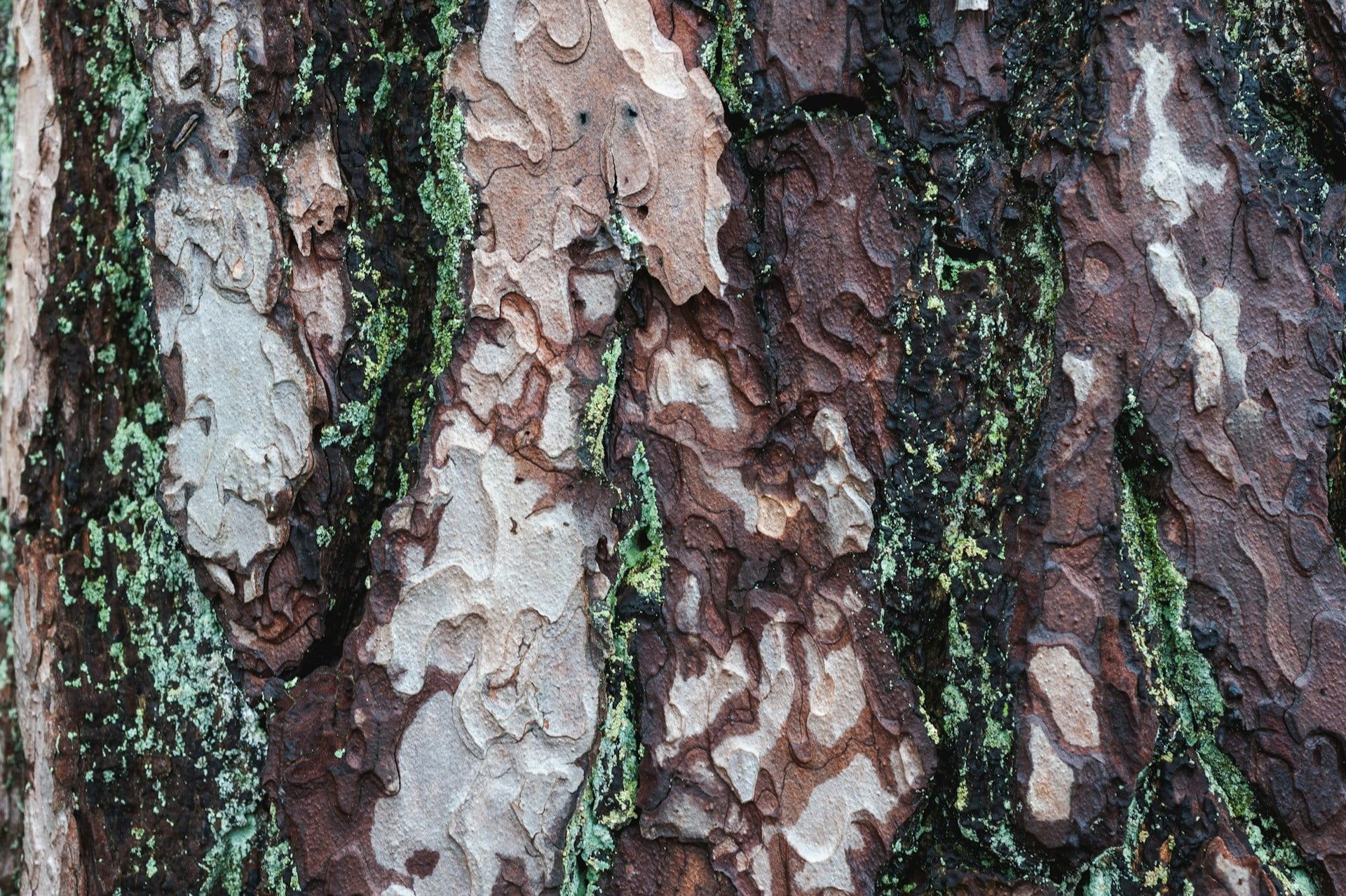
Another symptom to watch for is the presence of fungal growth on the bark or at the base of the tree. Fungi can cause decay and weaken the tree structure, making it more susceptible to falling. Also, keep an eye out for cankers—dead sections on the bark where the tree’s tissue is dying.
These cankers can spread and cause significant harm to the tree if left untreated. Identifying these symptoms early on can make all the difference in maintaining the health of your trees.
Types of Common Tree Diseases You May Encounter
Several common tree diseases could affect your yard, and being aware of them can help in early detection and treatment. One prevalent disease is Dutch Elm Disease, which affects elm trees and is spread by beetles. It causes wilting and yellowing of leaves and can kill branches or even the entire tree if not controlled.
Another common disease is Oak Wilt, which primarily affects oak trees. This disease spreads through root systems and insect vectors, leading to leaf discoloration, wilting, and eventually tree death. Oak Wilt can be particularly devastating, as it spreads quickly and can affect a large area if not contained.
Armillaria Root Rot, also known as Honey Fungus, is another disease you might encounter. It targets the roots of trees, causing decay and weakening the tree’s structure. Symptoms include white fungal growth under the bark and clusters of honey-colored mushrooms at the tree’s base. Understanding these common tree diseases and their symptoms can help you take prompt action to protect your trees.
Recognizing Symptoms of Common Tree Diseases
Identifying tree diseases early can save your plants and trees from severe damage. Look for changes in leaves, bark, and overall tree health. Common symptoms include yellowing leaves, leaf spots, and premature leaf drop. These signs often indicate fungal or bacterial infections affecting the tree’s health.
Bark damage is another symptom to watch for. Cracks, cankers, and oozing sap suggest the tree may be under attack by a disease. Discolored or dying branches also signal problems. By inspecting trees regularly, you can spot these symptoms early and take action to treat and prevent further spread of disease.
Types of Common Tree Diseases You May Encounter
Several diseases commonly affect trees, each with distinct characteristics. Here are a few to watch out for:
1. Anthracnose: This fungal disease causes dark, sunken spots on leaves and stems. It often appears in wet, cool weather and can lead to defoliation.
2. Powdery Mildew: You’ll notice white, powdery spots on leaves, stems, and buds. This fungus thrives in warm, dry environments and can weaken trees over time.
3. Root Rot: Caused by various fungi, root rot leads to mushy, discolored roots. Trees with root rot often exhibit poor growth and yellow leaves.
4. Dutch Elm Disease: A serious condition for elm trees, this disease is spread by bark beetles. It causes wilting and yellowing leaves and can kill trees quickly if untreated.
Knowing these common diseases helps in identifying and managing them effectively, keeping your trees healthy and strong.
Effective Treatments for Tree Diseases
Treating tree diseases promptly is crucial for maintaining tree health. For fungal infections like powdery mildew and anthracnose, fungicides can be effective. Applying these treatments during the early stages of infection minimizes spread and damage.
For bacterial diseases, pruning infected branches can prevent further infection. Ensure pruned areas are properly sealed to reduce exposure to pathogens. In severe cases, professional arborist services may be needed to apply specific treatments and save the tree.
Good cultural practices also help in disease management. Providing adequate water and nutrients, and avoiding over-fertilization, strengthens trees. Healthy trees are better equipped to resist infections and recover from disease.
Preventing Tree Diseases: Tips and Best Practices
Preventing tree diseases starts with proper care and maintenance. Here are a few tips to keep your trees healthy:
1. Water Wisely: Overwatering can lead to root rot, while underwatering stresses trees. Ensure trees receive the right amount of water based on their species and soil conditions.
2. Mulch Properly: Mulch helps retain soil moisture and regulate temperature. Apply a layer around the base of trees, but keep it away from the trunk to avoid rot.
3. Prune Regularly: Regular pruning removes diseased and damaged branches, improving tree health. It’s also important to clean pruning tools between uses to prevent disease spread.
4. Plant Resilient Varieties: Choosing tree species resistant to local diseases reduces the risk of infections.
5. Maintain Soil Health: Healthy soil promotes strong root growth. Test soil regularly and amend it with organic matter for optimal tree health.
Implementing these practices helps keep your trees disease-free, ensuring a healthy and thriving landscape.
A Guide to Common Tree Diseases and Treatments
Trees provide immense environmental benefits, and maintaining their health is crucial. Proper tree care ensures a beautiful and safe yard by recognizing symptoms of tree diseases and implementing effective treatments and preventive measures. Understanding the common tree diseases and how to manage them empowers homeowners to take proactive steps in protecting their greenery.
Tree services play a vital role in maintaining the health and beauty of our environment. Whether you need help with disease management or regular tree maintenance, our team at All Pro Huntsville Tree Service is ready to assist.
Reach out to us today for expert advice and professional tree care services in Huntsville, AL, to keep your yard looking its best. Let’s work together to create a healthier, greener environment!
Recent Posts